
Last updated: June 15, 2026 Some links are affiliate links — see our Affiliate Disclosure.
30-Day China Itinerary 2026: Shanghai, Beijing, Xi'an & Chongqing
You've got 30 visa-free days in China and you want to see the highlights — the Great Wall, the Terracotta Army, pandas, Shanghai's skyline. Here's the mistake most people make on their first trip: they cram in twelve cities and spend half the trip on trains, or they pick one city and wonder what they missed.
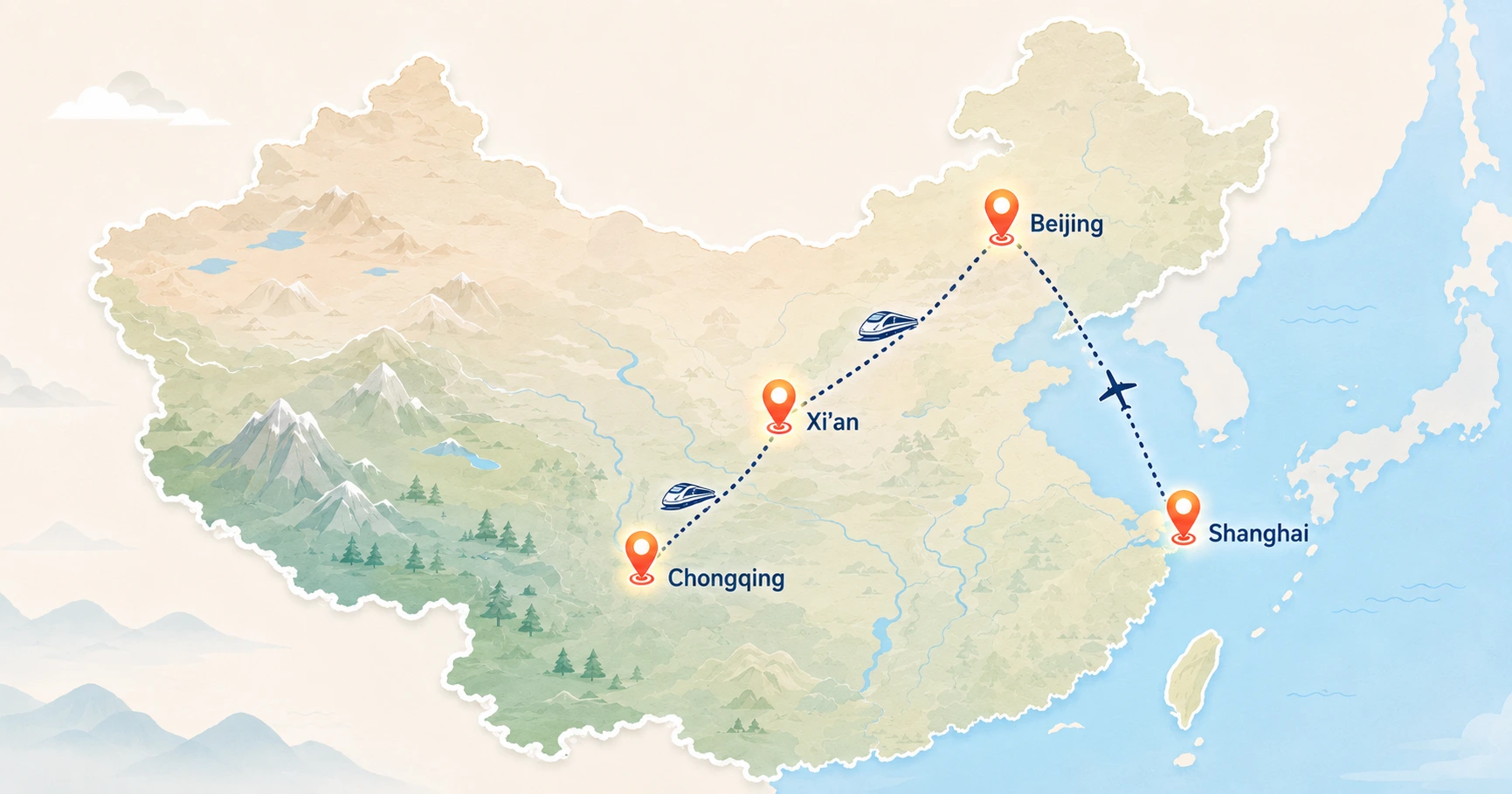
This is the route that works — four cities, 30 days, the stuff you actually came for, with room to breathe. Shanghai → Beijing → Xi'an → Chongqing. The Bund skyline, the Great Wall, the Terracotta Army, the pandas, and China's cyberpunk megacity — all linked by high-speed rail in one line west. And it all fits inside China's 30-day visa-free policy if your passport qualifies.
Who This Itinerary Is For
This route is for anyone who wants to see China's most famous attractions with enough time to actually enjoy them — and it works no matter how you're entering or how many days you have.
- 30-day eligible travelers — more than 50 countries, including most of Europe, the UK, Canada, Australia, New Zealand, Japan, and South Korea — can do the whole route visa-free. Check your country in our visa-free countries guide.
- Travelers on a tourist visa — including US citizens — have no limit on how long they can stay, so the full month fits comfortably. (A US passport gets 10 visa-free days under the 240-hour transit policy; for the full route, a tourist visa is the easy way.)
- Anyone with fewer days can still use this guide — it's built to be customized. Every city stands on its own, and you can spend a flexible number of days in each.
In short: it's for everybody. Take the whole month, or shape it to the days you have. You don't need prior China experience, and you don't need any Mandarin — just a plan.
Need help planning?
Request a Custom China Itinerary
Tell us your travel dates, trip length, and preferred cities. We'll email you a custom itinerary idea soon.
Why These Four Cities
Shanghai is where you land — the gateway, and the most modern, international city in China. Spend your first days here getting used to how China works: how to pay with your phone, how the metro runs, and how to find your way around. See the Bund waterfront and the skyline, and get over the jet lag before the big sightseeing starts.
Beijing is the reason most people come to China. The Great Wall. The Forbidden City. Tiananmen. The old alleyway neighborhoods. Peking duck. This is where you spend the most time.
Xi'an is where you see China's ancient history. The Terracotta Army is a day trip away, and the old city wall and the food make it more than a one-sight stop.
Chongqing is the big finish — a giant city built up and down steep hills where two rivers meet, lit up everywhere at night. People call it China's "cyberpunk city" because it looks like something out of a video game: old wooden houses lit up gold by the river, a city train that runs through a building, the spiciest hotpot in the country, and the famous Chengdu pandas a short train ride away.
The route runs in one direction — west — so every train takes you somewhere new. High-speed rail connects all four in a few hours per leg, and each city is different enough that 30 days never feels repetitive.
The Big Picture: How to Split 30 Days
Here's the balance this guide uses, with a comfortable range for each city so you can adjust it to your own trip:
- Shanghai: 4–6 days (this guide uses 5)
- Beijing: 4–11 days (uses 10)
- Xi'an: 3–6 days (uses 5)
- Chongqing: 4–8 days (uses 5)
- Travel days: 3 days (between cities)
Got more time, or want a slower pace? Push toward the higher numbers and leave more room for shopping, café mornings, or just relaxing. Tighter on days? Trim toward the lower numbers — the early cities are paced gently to beat jet lag, so the later days can run a little fuller and still work.
And here's the useful part: every city block in this guide works as a trip on its own. Only have a week or two? Take just the Shanghai days, or just Beijing, or pair two cities — each section is self-contained, so you can lift any piece out and you've got a shorter trip ready to go, no replanning.
Before You Go: What to Sort Out First
You can't just show up. A few things are far easier to handle at home than to fix once you've landed.
Your Passport and Documents
Your passport should be valid for at least 6 months from your arrival date — that's the standard airlines and border officers expect. Renew it now if it's close.
You're entering on a tourism policy, not transit, so you don't need an onward ticket to a third country — but airlines and officers may still want to see you have a way out, so book a return flight. Save digital copies of your hotel bookings and a simple itinerary too.
Get Your Phone Ready for China's Internet
In China, many of the apps you use every day are blocked — Google, Gmail, WhatsApp, Instagram, Facebook. They simply won't open. Two things fix this:
- A travel eSIM — a SIM card you buy online before your trip — gives you internet the moment you land, and on eSIM data your apps work like at home. Here's how to pick a China eSIM.
- A VPN — an app that makes blocked apps work again on hotel and café Wi-Fi. The one rule: install it before you leave home, because inside China the VPN apps are blocked too. See which VPNs actually work in China.
Payment Apps
China runs on mobile payments — almost no one uses cash. Download WeChat and Alipay and link your Visa or Mastercard inside each app a few days before you fly (verification can take up to 24 hours). That's how you'll pay for taxis, food, the metro, shops, street vendors — everything.
Our complete first China trip guide walks through all of this step by step — payments, eSIM, VPN, and every other essential.
Booking Hotels and Flights
A few global platforms work well for China — Trip.com, Booking.com, and Agoda. They all cover the mainland in English (or your own language), so you don't need to hunt for some Chinese-only website to find Chinese hotels — these have it covered. In this guide we mostly point to Trip.com, because it's China-native and has the deepest mainland coverage, but it's up to your preference. The one rule: stick to a big, legitimate global platform — not some unknown site you've never heard of.
Trip.com also has plenty of refundable, free-cancellation options if your plans shift, and a "Foreign Guests Accepted" label — most big-city hotels welcome foreign guests, but some smaller ones don't yet, so that label lets you book without worrying about it. In each city below we've also picked out the hotels we stayed at and recommend, in case you'd like a ready recommendation instead of scrolling through hundreds of options.
One thing to know: Airbnb doesn't operate in mainland China — it shut down its China listings, so don't waste time looking for it. Stick to the hotel platforms above.
Getting Between Cities: Train or Plane
You've got two ways to get between these four cities — high-speed train or a domestic flight. Both are easy to book on Trip.com (flights and train tickets), and which you choose comes down to what's most comfortable for you.
Take the high-speed train if you want no airport hassle. Stations sit right in the city center, there's no early check-in or long security line, the seats are roomy, and you can get up and walk around. By rail, each leg takes:
- Shanghai → Beijing — around 4.5 to 6 hours
- Beijing → Xi'an — around 4.5 to 6 hours
- Xi'an → Chongqing — around 5 to 6 hours
Take the flight if those hours matter to you and you'd rather get there faster. The same routes are quicker in the air:
- Shanghai → Beijing — about 2 to 2.5 hours
- Beijing → Xi'an — about 2 hours
- Xi'an → Chongqing — about 1.5 hours
Chinese airports usually sit well outside the city, so if your hotel is central — which is where we recommend staying — expect a 40-minute to one-hour taxi ride to and from the airport each time.
On price, the two are pretty comparable for the same route — sometimes the train is a little cheaper, sometimes the flight is, depending on the day, how early you book, and the class of seat. Neither one saves you much money, so choose based on comfort, not cost.
For the rest of this guide, the day-by-day plan assumes the train — it's our pick for the city-center-to-city-center convenience. But the route is exactly the same if you fly; you're just swapping the train leg for a flight. Either way, book a few days ahead (especially around Chinese holidays and weekends), and bring your passport — you need it to book, collect tickets, and board.
Days 1–5: Shanghai
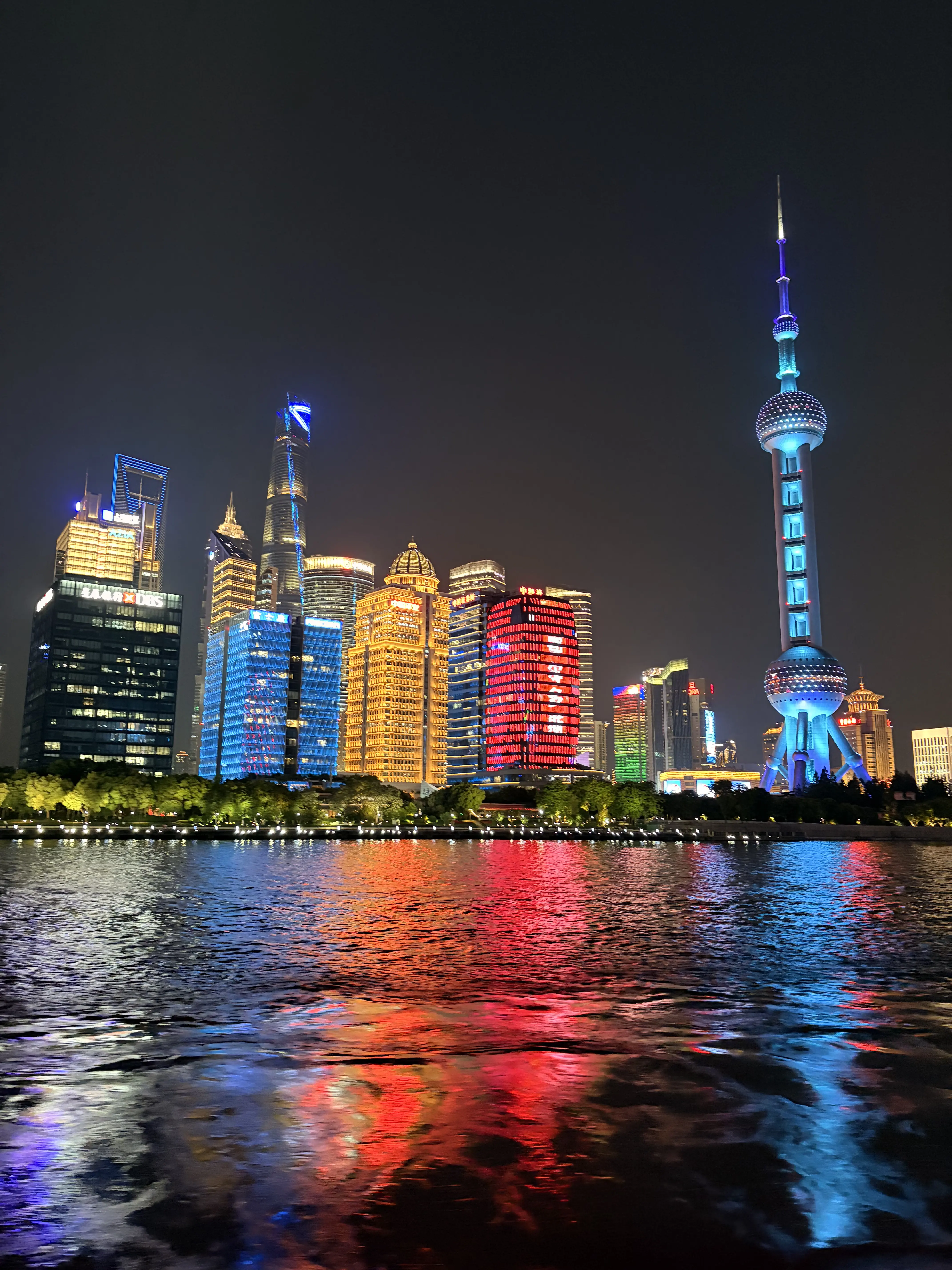
Shanghai is where you land, figure out how China works, and beat the jet lag. It's modern, English signs are everywhere, the metro is easy, and five days won't feel slow.
Day 1: Arrive and Settle In
Land at Shanghai Pudong (PVG). Clear immigration, turn on your eSIM, take the metro or a taxi to your hotel.
Don't plan anything big. Walk your neighborhood, find a convenience store, buy a bottle of water to test Alipay or WeChat Pay, figure out the metro, eat, sleep.
Where to stay: Good central areas to base yourself are the French Concession (leafy, tree-lined streets), or Jing'an and around People's Square (more central and lively). But if you want our actual recommendations — two hotels we've stayed at and love — here they are.
Day 2: The Bund and Lujiazui
Start at the Bund — Shanghai's famous riverfront — early, before the crowds. Walk along the water and look across the river at Pudong, the district of glass skyscrapers. Cross by ferry (cheap, five minutes) or metro to Lujiazui, the center of that skyscraper cluster, and go up the Shanghai Tower, the tallest building in the city — it has an observation deck near the top with views out over the whole city. Book skip-the-line tickets ahead so you're not queuing. Head back to the Bund for sunset, when the buildings light up.
Evening: Nanjing Road, the big pedestrian shopping street, for dinner and people-watching — or the French Concession for quieter restaurant streets.
Day 3: Yu Garden, Old City, and Xintiandi
Yu Garden — an old Chinese garden of ponds, rocks, and small pavilions — is small and gets packed by midday, so go right at opening. Wander the Old City lanes around it (the historic quarter, full of snack stalls and dumpling shops), have lunch there, then metro to Xintiandi, a neighborhood of restored old lane-houses turned into shops and cafés.
Evening: Tianzifang, a maze of narrow lanes packed with small shops — less polished than Xintiandi and better for wandering. It's also one of the best places in Shanghai for unique souvenirs: the little shops here sell all sorts of one-of-a-kind things, from ceramics to stuff you'd never think of, so check it out if you want to bring something home.
Day 4: Day Trip or Museum Day
Option A: Day trip to Zhujiajiao, an old water town an hour outside the city — canals, stone bridges, and narrow alleys, quieter than the bigger water towns.
Option B: Stay in town for the Shanghai Museum (one of China's best, free) and a walk through People's Square, the green civic center of downtown.
Day 5: Free Day and Shopping
Sleep in — this is your open day in Shanghai. Revisit a neighborhood you liked, or walk the Bund again at a different time of day. It's also a good day to shop: Nanjing Road for big brands and department stores, the boutiques of the French Concession for something more one-of-a-kind, or Tianzifang for souvenirs and gifts.
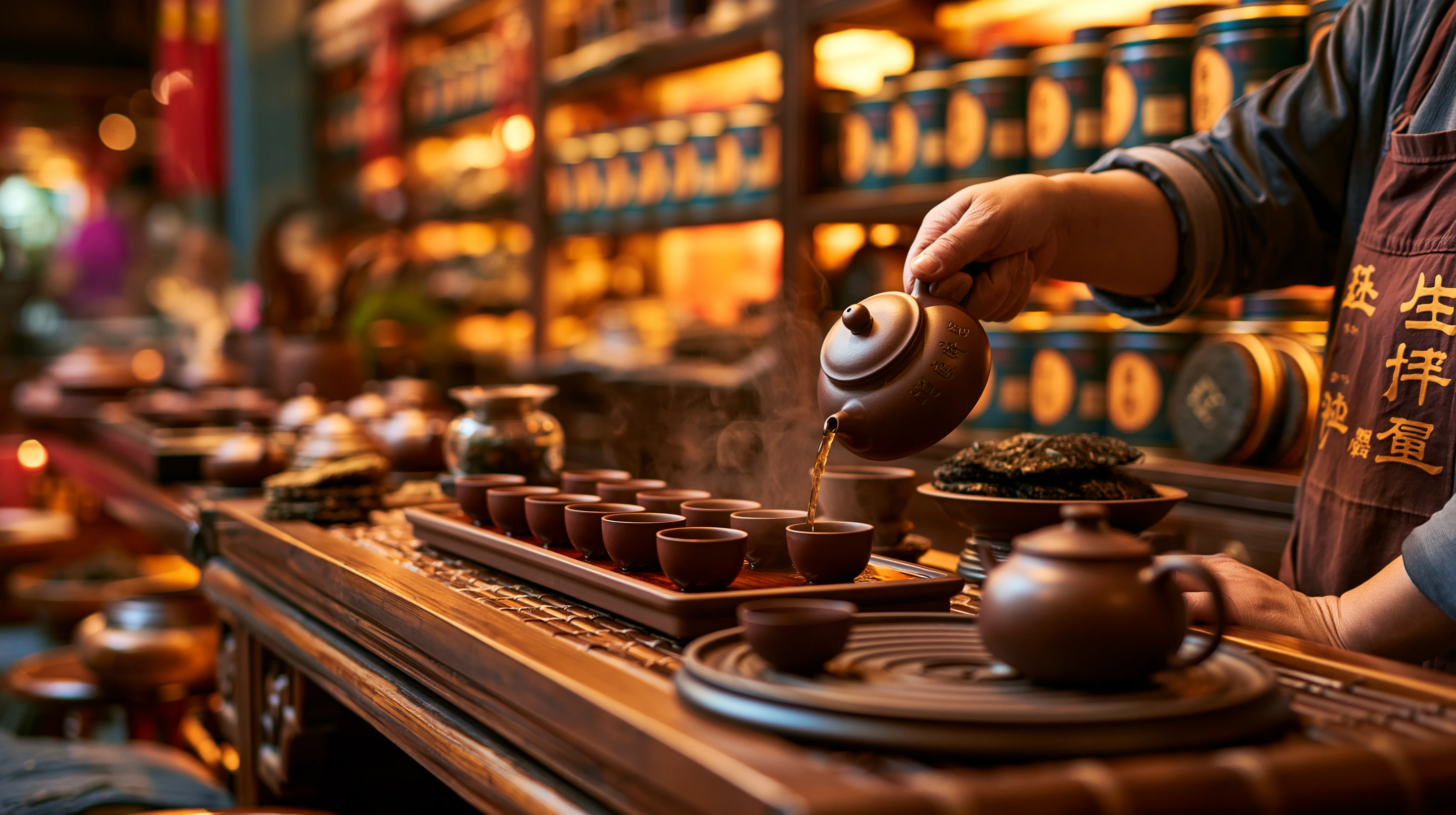
For something more cultural, head to Tianshan Tea City (天山茶城) — a big indoor tea market and one of our favorite traditional things to do in Shanghai. It's full of small tea shops, and almost every one has a table set up for a tea ceremony: the owner sits you down and brews you different teas to taste, one after another, so you can try before you buy any. There's no pressure to buy — though you probably will. It's calm, traditional, and a good way to spend an afternoon if you like tea and want to bring home some genuinely good Chinese tea. Most shop owners speak English, and the ones who don't just use a translator app — so the language is no problem.
Evening: pack — Beijing tomorrow.
Days 6–15: Beijing
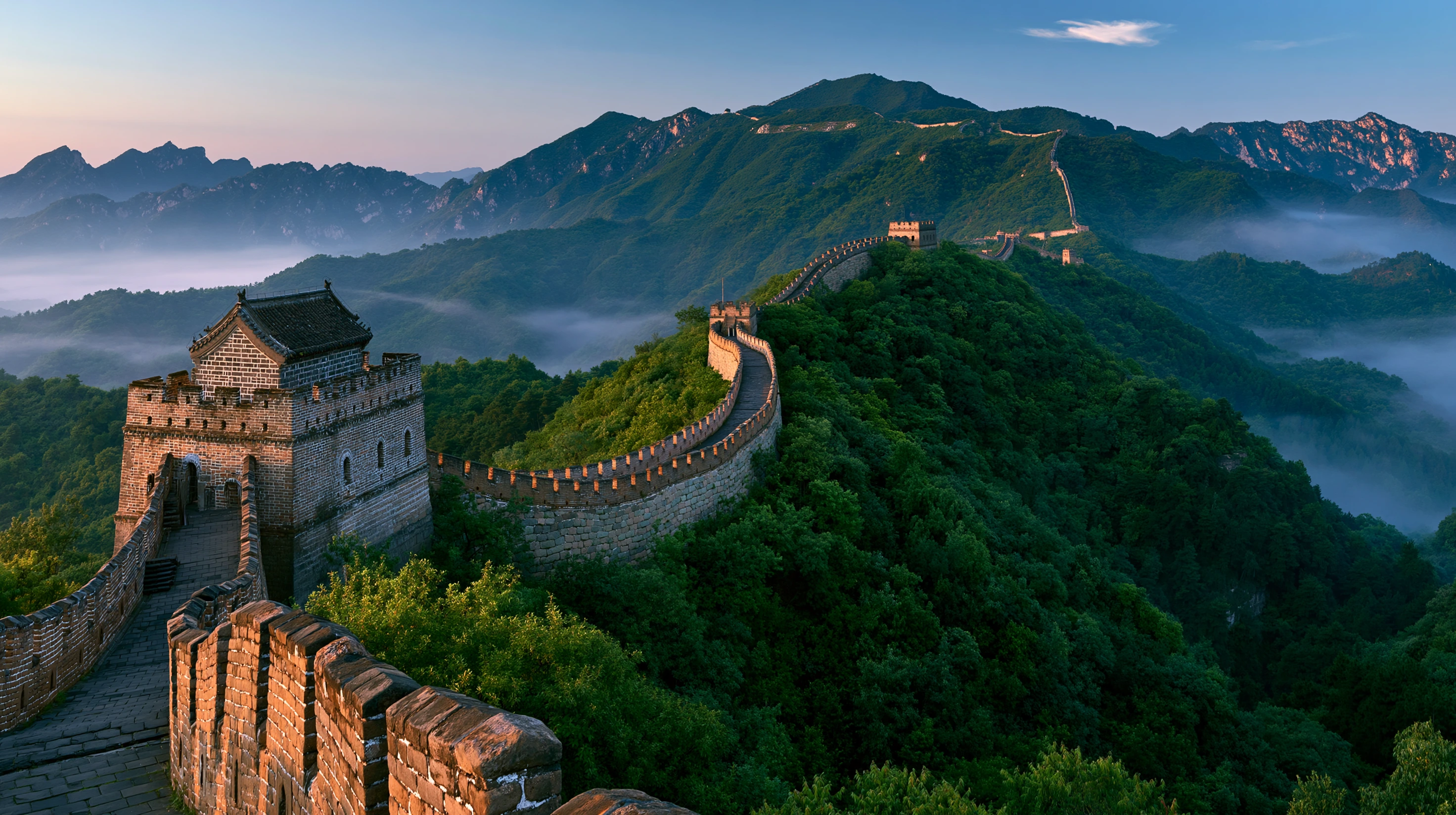
Beijing gets the most time because it has the most to see. The Great Wall alone is worth a couple of days, and once you add the Forbidden City, the Summer Palace, the old alleyway neighborhoods, the Temple of Heaven, and the food, ten days fills up fast.
That said, Beijing flexes more than any city on this route. If you really came for just the Great Wall and the Forbidden City, four focused days will cover it. The ten-day plan below is the full version — see everything, or pick the days that matter most to you and move on sooner.
Day 6: Travel Day — Shanghai to Beijing
High-speed train from Shanghai to Beijing — around 4.5 to 6 hours. Check into your hotel, walk the neighborhood, call it a day.
Where to stay: Dongcheng (the central district around the Forbidden City) puts you in the heart of things. For something quieter and more local, look at guesthouses in the hutongs — Beijing's old single-story alleyway neighborhoods — near the Drum Tower. Chaoyang is the modern, business side of town, but farther from the main sights. Browse Beijing hotels on Trip.com.
Day 7: Tiananmen Square and the Forbidden City
Start early at Tiananmen Square — the large public square at the center of the city — then walk into the Forbidden City, the huge palace complex where China's emperors lived for 500 years. It's big, so budget at least three hours and wear comfortable shoes; book your entry ticket ahead, as same-day tickets often sell out. When you leave through the back gate, cross into Jingshan Park right opposite. Walk up the small hill there and you'll get the best view of the whole Forbidden City below — all the golden rooftops in one shot. It's the photo everyone wants.
Evening: Wangfujing, a downtown shopping street, for snacks — or a hutong near Houhai Lake (a lake ringed with bars and restaurants) for dinner.
Day 8: The Great Wall — Mutianyu
The day most people come to China for. Mutianyu is the best Great Wall section for first-time visitors — fully restored, less crowded than the busier Badaling section, with a cable car up and a toboggan ride down. It's about 90 minutes from the center, so book a tour or private car the day before; getting there by public transport is slow. Spend the morning and early afternoon up on the Wall, walking between the watchtowers and looking out over the mountains.
Day 9: Temple of Heaven and the Hutongs
Morning at the Temple of Heaven — a round temple set in a big park where emperors once prayed for good harvests. The park around it fills with locals singing, dancing, and practicing tai chi, and it's nice to watch. Afternoon: bike or walk the hutongs (the old alleyway neighborhoods) around the Drum Tower, Nanluoguxiang (a busy lane of shops and street food), and Houhai. Evening: Peking duck — you're in Beijing, you have to. Quanjude and Dadong are the famous names, but plenty of smaller places do it well too.
Day 10: Summer Palace
The Summer Palace is a large imperial garden built around a lake — pavilions, temples, bridges, and a long covered walkway — on the city's northwestern edge, about 30–40 minutes by metro. Budget half a day, more if you rent a boat on the lake. Afternoon: head back and rest, or visit the Lama Temple, one of Beijing's most active Tibetan Buddhist temples.
Day 11: A Second Great Wall Day (Optional) — Jinshanling
One Wall section is plenty for most people, so this can be an easy day instead. But if you loved the Wall and want a wilder, less-crowded stretch, head to Jinshanling — a partly restored, partly raw section that's popular for hiking, about 2–3 hours each way. Not up for a second Wall day? Spend it at the 798 Art District (below) instead, or just take a relaxed day around the city.
Day 12: Markets, Museums, and Neighborhoods
A day to fill in around your interests:
- 798 Art District — galleries, street art, and cafés inside a converted old factory complex.
- Panjiayuan Antique Market — a huge open-air market of antiques, paintings, jade, and old treasures (best on weekends).
- National Museum of China — on Tiananmen Square, one of the most-visited museums in the world, walking you through thousands of years of Chinese history. Free to enter.
- Beihai Park — a quiet imperial garden around a lake, smaller and calmer than the Summer Palace.
Day 13: A Slow Day or a Day Trip
Stay in the city and take it easy, or head out for the day:
- Ming Tombs — the burial complex of the Ming emperors, out near the Great Wall.
- Gubei Water Town — a recreated canal town beneath the Simatai section of the Wall (scenic, but touristy).
Or simply slow down: a tea house tucked in the hutongs (the old alleyways), a quiet park, and a lot of dumplings.
Day 14: Last Beijing Morning
Use the morning for anything you missed — one last wander through the hutong alleyways, or another sunrise from Jingshan Park. Afternoon: pack and rest. Xi'an tomorrow.
Day 15: Travel Day — Beijing to Xi'an
High-speed train from Beijing to Xi'an — around 4.5 to 6 hours. Check in, walk around, and get dinner in the Muslim Quarter — Xi'an's famous food street, more on that tomorrow — if you're not too tired.
Days 16–20: Xi'an
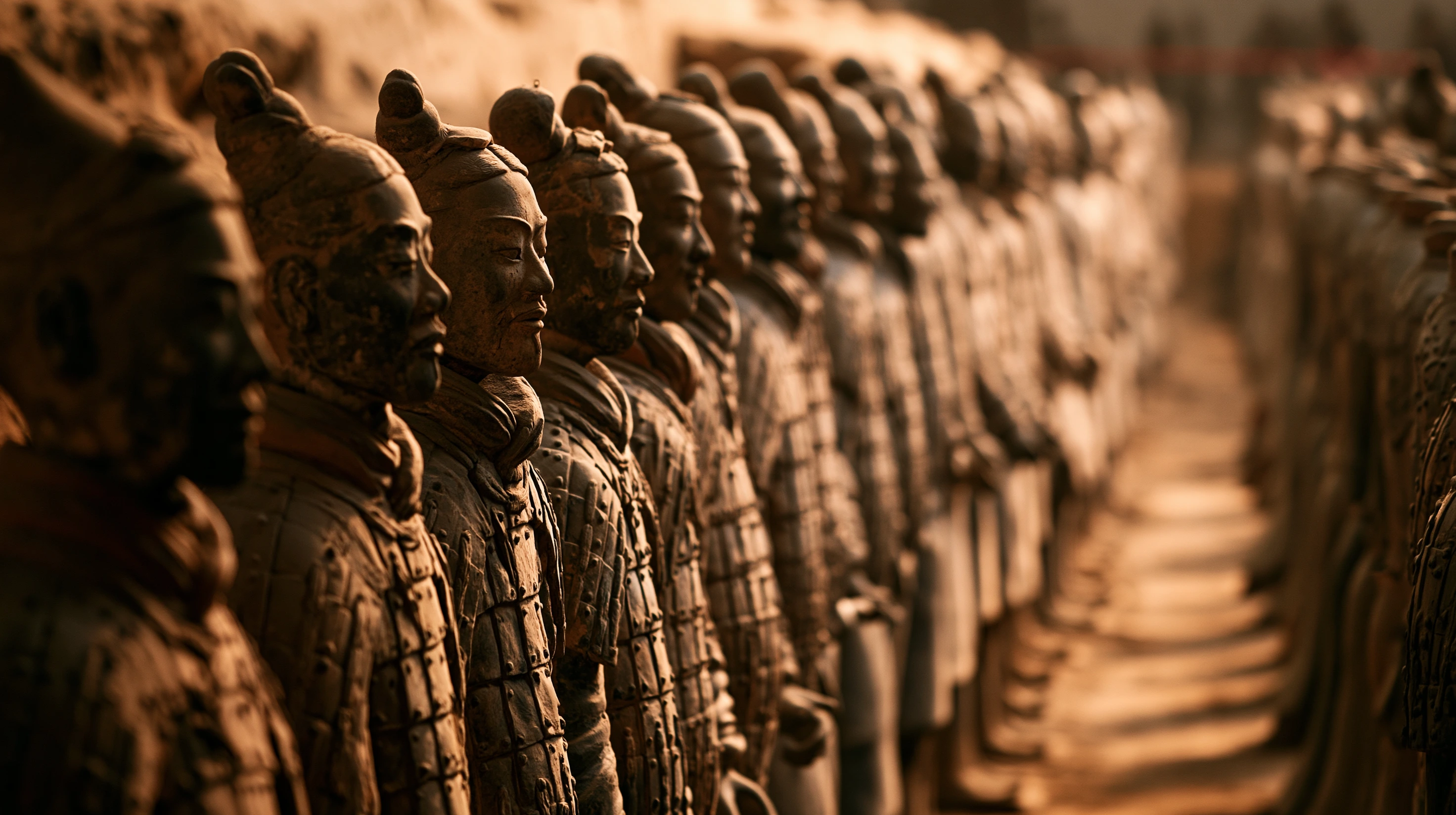
Xi'an was the capital of China for over a thousand years and the starting point of the ancient Silk Road — the old trade route that linked China to the rest of the world. The Terracotta Army is the main reason to come, but the city wall, the food, and the Muslim Quarter make it worth a few days.
Where to stay: Staying inside the old city wall, near the central Bell Tower or the South Gate, puts you in the heart of the historic area and close to the food. Yanta District, to the south, is more modern. Browse Xi'an hotels on Trip.com.
Day 16: The Terracotta Army
This is what you came to Xi'an for. The Terracotta Army is an underground field of thousands of life-size clay soldiers, each with a different face, built over 2,000 years ago to guard an emperor's tomb. It's about 90 minutes east of the city, so book a tour or a private car the day before. Budget half a day; the main hall — row after row of warriors — is the highlight. The site has English information boards, but a guide brings the history to life and points out things you'd otherwise walk straight past. Head back to the city in the afternoon for the Muslim Quarter.
Day 17: The City Wall and the Muslim Quarter
Xi'an still has its complete old city wall — a wide, ancient stone wall that forms a full loop around the historic center. You can rent a bike on top of the wall and ride all the way around it (about 14 km, 2–3 hours at an easy pace), or just walk part of it. Go in the morning or late afternoon to skip the midday heat.
Then head into the Muslim Quarter — a busy maze of food stalls and little shops, and the best street food in the city. Try the yangrou paomo (a lamb soup you eat with torn-up flatbread) and the roujiamo (often called the original Chinese "hamburger" — slow-cooked meat stuffed in a warm bun). Come hungry.
Day 18: Big Wild Goose Pagoda
The Big Wild Goose Pagoda is a 1,300-year-old Buddhist tower you can climb for a view over the city. It sits in Yanta District, a more modern part of town with wide plazas and a free musical fountain show in the evenings. End the day at Tang Paradise nearby — a large park that recreates the palaces and gardens of the Tang dynasty. After dark the whole place lights up over the water — a nice way to end the day.
Day 19: Museum Day or a Day Trip
The Shaanxi History Museum is one of the best museums in China — thousands of years of history told through artifacts, and free to enter (you just book a time slot ahead). Easily half a day if you love history.
Or take a day trip out to Mount Hua, one of China's five sacred mountains. It's known for its steep climbs and the famous narrow wooden walkways fixed to the side of the cliffs — a full day out, and only for people who are okay with heights. Not into either? Spend the day wandering the city, picking up souvenirs, doing a little shopping, and trying a few local restaurants before you head to Chongqing.
Day 20: Last Xi'an Morning
Walk the city wall one more time, or go back to the Muslim Quarter for one last round of street food. Then pack — Chongqing tomorrow.
Days 21–25: Chongqing
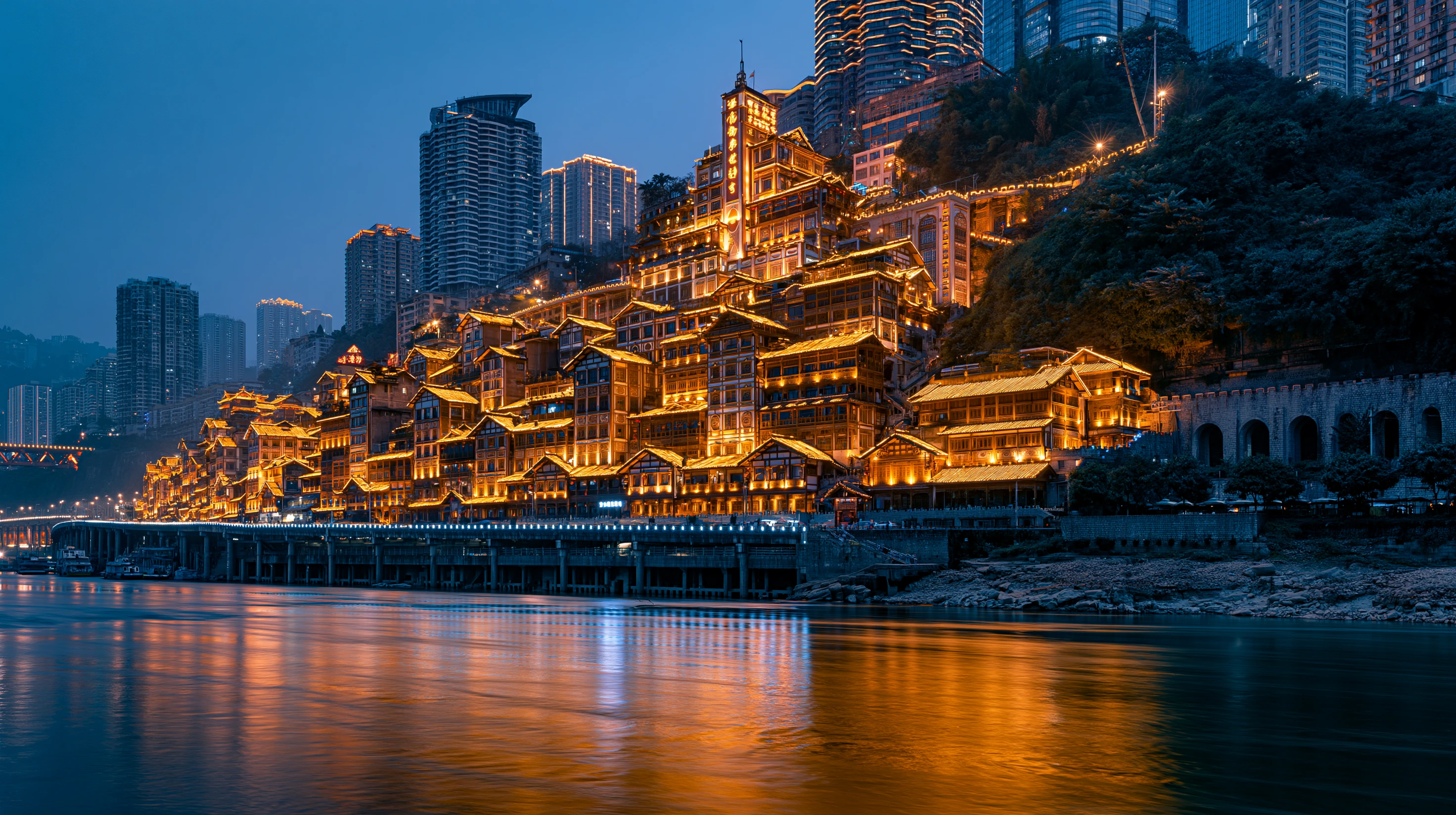
Chongqing is the big finish — a giant city built up and down steep hills where two rivers meet, lit up everywhere at night. It looks like something out of a video game, the food is the spiciest in China, and the famous Chengdu pandas are a short train ride away.
Where to stay: Jiefangbei (the downtown core) is central and walkable to most things, including Hongya Cave. For the best views, look along Nanbin Road, a riverside strip that looks across at the skyline. But for Chongqing we have a hotel we really liked — here it is.
Day 21: Travel Day — Xi'an to Chongqing
High-speed train from Xi'an to Chongqing — around 5 to 6 hours. Check in, then head out after dark to Hongya Cave. Despite the name, it's not really a cave — it's a huge complex of traditional wooden stilt-houses stacked up the cliffside, with around eleven floors of shops, snack stalls, and restaurants you can walk right through. At night the whole thing lights up gold and looks like something out of an animated film. It's the photo everyone comes to Chongqing for, and a great first thing to see.
Day 22: Panda Day Trip to Chengdu
The pandas are worth the trip. Take an early high-speed train to Chengdu (just 1.5–2 hours) and spend the morning at the Chengdu Research Base of Giant Panda Breeding — a big, leafy park where you can watch giant pandas eat, climb, and tumble around. Pandas are most active in the morning, so go early, then ride back to Chongqing in the evening. If you'd rather not travel, Chongqing Zoo has pandas of its own right in the city — easier, just less famous.
Optional: A Cinematic Photoshoot in Chengdu
You know those viral videos of girls flying all the way to China just to do one photoshoot — and coming home with images that look like they're from a movie? This is the studio they're going to. We found it, and it's exactly that place.
This isn't a quick tourist snapshot — it's a full production, and they own every part of it. The makeup artists are extremely skilled and transform you completely; the photographers and editing team listen to what you want and build the whole shoot around it; and they shoot in a real Chinese garden, not a fake backdrop. For a lot of people, it ends up being the best photoshoot they've ever had.
And the styles go way beyond traditional. Classic traditional Chinese looks, "Chinese drama" sets where you're the main character, modern editorial, full princess fantasy — whatever look you want, they can create it.
Because it's a high-end production, it isn't the cheap option — so plan for a real budget, and use one of your spare days to stay a night in Chengdu: pandas one day, your photoshoot the next. If you want one unforgettable set of photos from your whole China trip, this is it.





Photoshoot help
Want the studio contact or booking help?
Leave your email and choose whether you want the studio contact details for free or help arranging the booking.
Day 23: The Cyberpunk City
This is Chongqing's main day. See the Liziba monorail — a city train that runs straight through the middle of a tall apartment block — then ride the Yangtze River Cableway, a cable car that takes you across the river high up in the air, with great views of the city the whole way over. Spend the afternoon in Ciqikou Ancient Town, an old riverside neighborhood packed with snack stalls, tea houses, and little shops.
Evening: Chongqing hotpot. This is the city that invented it, and the local version is the spiciest in China — a pot of bubbling, chili-packed broth in the middle of your table that you cook your own meat and vegetables in. One thing worth knowing: almost every hotpot place offers a "split pot," where the pot is divided in two — spicy broth on one side, mild non-spicy broth on the other. So if you're with friends and some love spice while others really can't handle it, don't be shy about asking for a split pot; it's completely normal. A hugely popular chain to try is Haidilao, found all over China and known for its over-the-top service.
Day 24: A Slow Last Day and the Best City Views
Spend your final full day seeing Chongqing from above and enjoying the city one more time.
Start at Eling Park, a quiet park on top of one of the city's hills. It has one of the best skyline views in Chongqing, and it's free — from up here you can see the skyscrapers, the two rivers, and the bridges all in one sweep.
Then head to Raffles City — a group of eight tall glass skyscrapers down at the very tip of the city, right where the two rivers meet. Four of the towers are connected near the top by a long building lying sideways across them, called "The Crystal." Up there is an observation deck where you can walk out and look straight down both rivers at once — one of the best views in the city.
In the evening, walk along the riverfront, sit down for one more hotpot, and watch the skyline light up. A fitting way to end the trip — and the whole month.
Day 25: Fly Home or Onward
Pack, check out, and head to Chongqing Jiangbei International Airport. Your 30 days are up. You saw a lot, ate a lot, and probably need another vacation.
Days 26–30: Your Spare Days
This core route runs 25 days, which leaves you five free — and that's on purpose. Use them to spend longer anywhere you liked, slow the pace down, or add the bigger day trips around Chongqing:
- Dazu Rock Carvings — a UNESCO World Heritage site about 2 hours away, where thousands of Buddhist and other statues are carved straight into the cliffs. Well preserved, and far quieter than the big-name sights.
- Wulong Karst — a natural park of tall limestone gorges and the "Three Natural Bridges" (used as a filming location for Transformers), a full day out.
Or add a whole extra city — Hangzhou or Suzhou near Shanghai (both famous for gardens and canals), or stay overnight in Chengdu after the panda trip. These spare days are also your cushion: if you get sick, a train runs late, or you simply want an easy morning, you've got the room. A little space beats trying to cram in every single day.
What to Carry Every Day
- Passport (you'll need it for train tickets, hotel check-ins, some attractions)
- Phone with eSIM and VPN active
- WeChat and Alipay ready to pay
- Water bottle and a portable charger
- A simple itinerary saved on your phone
Dress in layers — Beijing and Xi'an swing between hot days and cool evenings, Shanghai is humid, and Chongqing is hot, humid, and hilly, so expect stairs and sweat in summer. And comfortable walking shoes: you'll walk miles every day.
How Much This Trip Costs
Rough ranges for 30 days, per person — these vary a lot by season, booking timing, and how you travel, so treat them as a rough guide, not exact numbers:
- Budget: $2,500–$4,000 (hostels, street food, public transport, no tours)
- Mid-range: $4,000–$7,000 (3-star hotels, mix of restaurants, some tours and taxis)
- Comfortable: $7,000–$12,000+ (4-star+ hotels, nicer meals, private guides)
Where the money goes: international flights ($600–$1,500 depending on where you fly from), 30 nights of hotels ($1,200–$4,500+), getting between cities (roughly $150–$300 total for the three legs, by train or domestic flight), food ($10–$50/day), and attractions/tours ($300–$800). China is cheaper than most people expect, especially food and transport — hotels and guided tours are where it adds up.
Two things to keep in mind. First, these numbers are for the full 30 days — most people don't spend a whole month in China, so a one-week or two-week trip will cost a lot less than the ranges above. Second, it really comes down to what you book and where you stay: the same trip can be very cheap or very expensive depending on your choices. China has options at every price.
Quick Checklist Before You Leave Home
- Passport valid well beyond your trip (6 months is the safe standard)
- China eSIM installed and tested
- VPN installed and working
- WeChat and Alipay downloaded, cards linked
- Hotels booked for at least your first nights
- Trains or flights between cities booked or ready to book
- Return flight booked
- Travel insurance sorted (recommended)
- Copies of your passport and bookings saved offline
And if you'd rather have everything in one place — visa rules, payment setup, transport, city guides, what to pack — there's the big PDF guide: every visa-free way into China explained, step-by-step instructions with photos and screenshots, our picks for the major cities, and what to pack. Buy it once, it's yours forever.
FAQ
Do I need a visa for this trip?
Not if you're 30-day eligible — more than 50 countries (most of Europe, the UK, Canada, Australia, New Zealand, Japan, South Korea, and others) can enter China visa-free for up to 30 days. Check your country in our visa-free countries guide. US citizens get 10 visa-free days under the 240-hour transit policy — for the full month, a tourist visa is the easy way, and there's no stay limit on it.
Is 30 days enough for these four cities?
Yes — you'll hit the major sights with time to explore and not feel rushed. With only two weeks, cut one or two cities; each city section here stands on its own.
Can I change the order or skip a city?
Yes — this is a suggested route, not a rulebook. The route runs west so each leg is somewhere new, but rearrange it however you like.
Should I book trains or flights in advance?
Yes — a few days ahead, especially on weekends and holidays. Book either on Trip.com (it does both flights and train tickets).
What if I want to add another city?
You've got your spare days. Hangzhou or Suzhou (near Shanghai) or Chengdu (a short hop from Chongqing) are easy adds — just watch your clock if you're on a visa-free entry.
Do I need a guide, or can I do this independently?
You can do the whole trip independently — metros are in English, trains are easy, maps work. Guides are helpful for the Great Wall and Terracotta Army, but not for the cities themselves.
Where do I book tours and activities in China?
Day trips, attraction tickets, skip-the-line passes, and guided tours can be booked ahead on Trip.com and Klook — both cover all four cities in English.
Is it safe to travel alone in China?
Yes — China is one of the safest countries for solo travelers. The real challenges are language and navigation, not safety.
Sources
Bottom Line
Thirty days is enough to see the best of China without rushing: Shanghai to find your feet, Beijing for the Great Wall and the Forbidden City, Xi'an for the Terracotta Army, Chongqing for the skyline and the pandas. High-speed rail (or a flight) links them all, the route runs in one direction so every leg is somewhere new, and your spare days keep it relaxed. Got fewer days? Lift out any city and it works as a trip on its own. Sort your passport, apps, and payments before you fly, book your transport a few days ahead, and you're set.